The Quiet Power of Music after Midnight
The night has its own quiet magic, soft shadows, the hush of the world outside. But to a restless mind, that silence can feel heavy. Lying awake, you notice every breath, every stray thought amplified. You want sleep, you crave rest, but the hush seems to echo your worries.
In this stillness, even the smallest sounds, a ticking clock, your heartbeat, can feel like thunder. On nights like these, a gentle melody can slip in, like a kind companion offering company in the dark.

When Silence Feels Too Loud
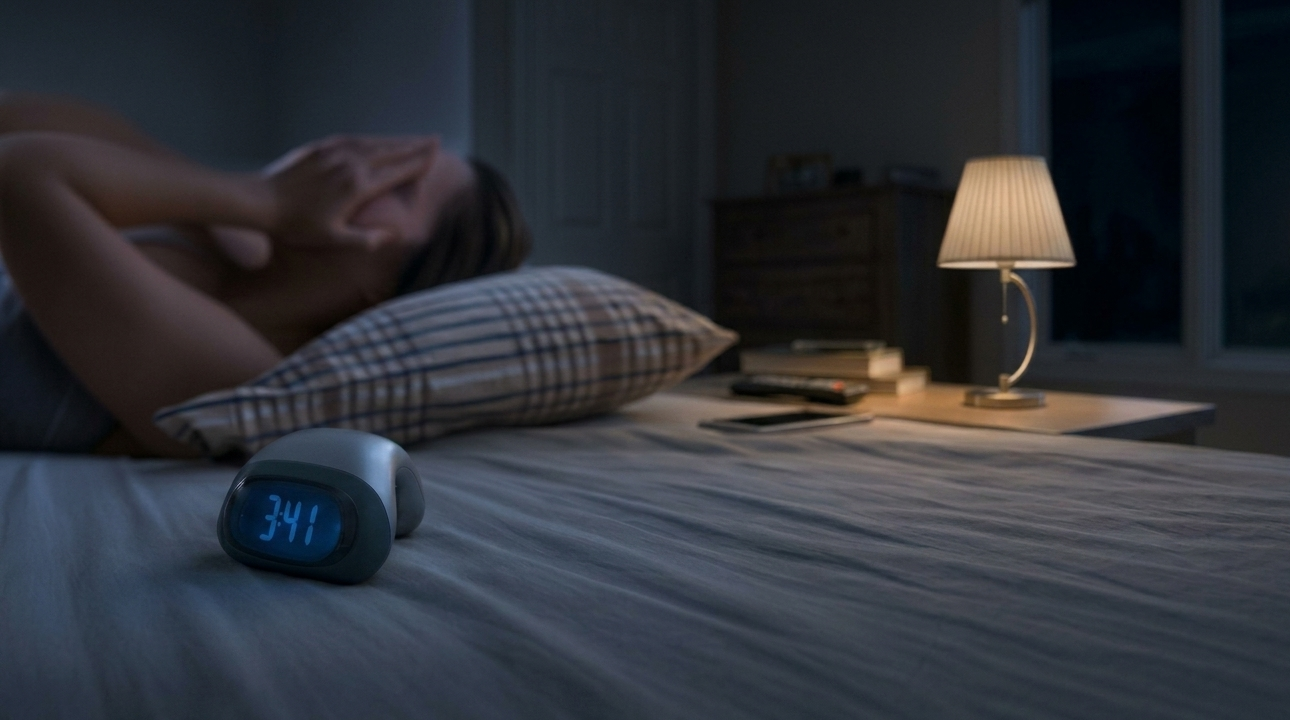
It is 3 a.m. The world outside is at peace, but inside, your thoughts are not. The quiet is almost too loud, a blank canvas for every lingering worry. You might stare at the ceiling, half-focused on a lyric from the day's playlist or the pattern of moonlight on the wall.
The body wants sleep, but the mind will not switch off. This tension is a human truth: the beauty of silence can sometimes highlight every ache and anxiety, making us feel oddly exposed.
In that stillness, many of us reach for soft sound, perhaps a favorite song on repeat, or a streaming playlist of piano and waves. We are not chasing a miracle cure. We are simply looking for a friendly voice in the darkness.
Music is not a magic pill for insomnia. It is more like a gentle hand on your shoulder, quietly promising that you are not alone.

Why Music Becomes Comfort in the Dark
Listening to music at bedtime is not about fixing your sleep. It is about creating a gentle atmosphere. The right song can be like a soft lamp in the room, not blinding, just enough to make space feel safe.
Over time, many people find that having a familiar track to fall asleep becomes a calming ritual. You might feel less keyed up with that melody as company, even if sleep does not come instantly.
Research supports what our instincts already know. A recent Cochrane review, a careful analysis of many studies, found that adults listening to relaxing music before bed reported improved sleep quality compared to those who did not. People felt they slept better after a few nights of bedtime music.
That matches countless personal stories. Gentle music does not always knock you out immediately, but it can make your rest feel deeper and more refreshing over time.

How Music Quietly Changes Your Body
Slow, soft music has a physical effect on the body. Researchers have measured heart rates and breathing while volunteers listen to different songs. When a calm classical piece plays, heart rates tend to slow and blood pressure lowers.
In one experiment, people rated a slow melody far more calming than a fast-paced tune. Almost everyone agreed that the slower music helped them relax. Fast tracks, by contrast, were rarely described as soothing.
Music therapists distinguish between two types of music for sleep: sedative and rhythmic. Sedative music is slow, soft, and smooth. Think tunes at about 60 to 80 beats per minute, played gently with a flowing melody that does not jump around. Rhythmic music is the opposite: faster beats, louder drums, sudden changes.
Studies find that it is the sedative kind, soft tempo, low volume, gentle harmonies, that really helps with sleep. Listening to sedative music lowers stress hormones like cortisol and quiets the fight-or-flight response. A lullaby-like song literally calms your nervous system, slowing your breathing and nudging you toward rest.
Why Predictability Feels Safe
Music also works on a more subtle level of predictability. Effective sleep music avoids surprises: no sudden loud moments, no big melodic jumps, just a steady, familiar pattern. It is the predictability that feels safe, as if the music is giving your mind a gentle routine to follow so it does not wander into worries.
One special track, Marconi Union's "Weightless," was crafted this way. It starts at about 60 beats per minute, a typical resting heart rate, and gradually slows to 50 beats per minute, almost guiding the listener's heartbeat down with it. Composers often use low, warm sounds and repeating motifs so the tune feels like a soft loop of comfort.
This kind of steady, calming structure can become almost hypnotic, lulling the brain's activity toward sleep rhythms.

Gentle Soundscapes to Try
Ambient and nature sounds offer a steady, layered presence that asks nothing of you. Ocean waves, rain patterns, or forest birdsong create a soft auditory blanket, reminding the brain of peaceful outdoor places and making the bedroom feel less empty. For those drawn to melody, classical and minimalist piano offer timeless comfort. Slow movements of Debussy's "Clair de Lune" or modern composers like Einaudi feature simple, soothing progressions without jarring dynamics, allowing the brain to relax rather than remain alert.
White noise and pink noise provide a consistent hum that masks unpredictable sounds, a barking dog or passing siren, replacing them with a reliable backdrop. Minimalist guitar or piano pieces feel meditative and plainspoken, one chord resonating then fading like lowering the lights in a room. Binaural beats offer a more experimental path, playing slightly different tones in each ear to create a beating sensation the brain perceives. Some early research suggests they might influence sleep stages, though science is still young.

Not a Cure, But Still a Comfort
It is important to say this clearly: music at bedtime is not a cure-all, and it does not work the same for everyone. Some people find it wonderfully soothing. Others feel even more alert with music playing. Both responses are perfectly fine.
The goal is not a race to fall asleep the instant the song starts. The real benefit is feeling a little less alone, a little more held. If the track does not knock you out, perhaps it simply allowed your mind to settle or made you breathe slower. In either case, that is progress.
What matters is how you feel. If your personal soundtrack to sleep makes you feel calmer, cozier, safer, then it is serving its purpose. You might still lie awake for a while, but perhaps with a lighter heart. Feeling better rested tomorrow morning, even if the clock did not show huge changes, can be its own quiet victory.

A Companion in the Dark
Late at night, everything feels bigger: the dark room, the tangled thoughts, the distance between you and sleep. In that space, a soft soundtrack can feel like gentle company. There is no shame in wanting a pillow of sound beneath your head. You might listen with eyes closed, tracking the rise and fall of melody with your breath. Suddenly, the silence is not quite so empty.
Music after midnight does not promise to solve the world's problems or erase the day's stress. It simply holds space for you in the dark. It is part of a routine, a way of telling your body and mind that it is okay now. And sometimes, that simple message is enough to help the night feel less heavy.
So if you find yourself awake under the moonlight, know that you have choices. Let a familiar melody be a lullaby for your overthinking mind. Listen not for a promised cure, but for comfort. In the end, what sleep sounds like to you is your own quiet story, and a caring melody might just be the gentle exhale you have been looking for.