A Simple Guide to Improve Your Nights
Evening’s Quiet Signals
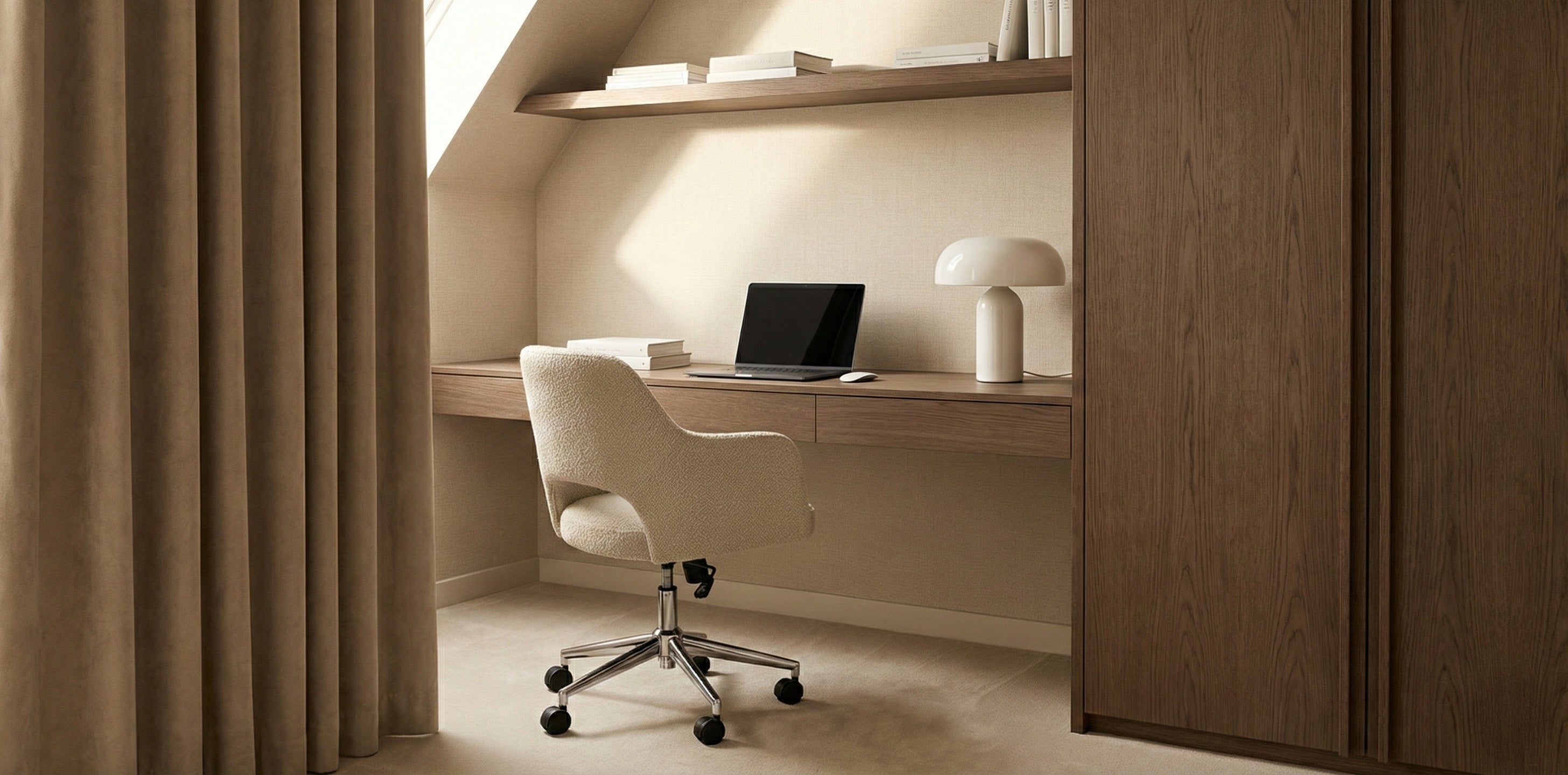
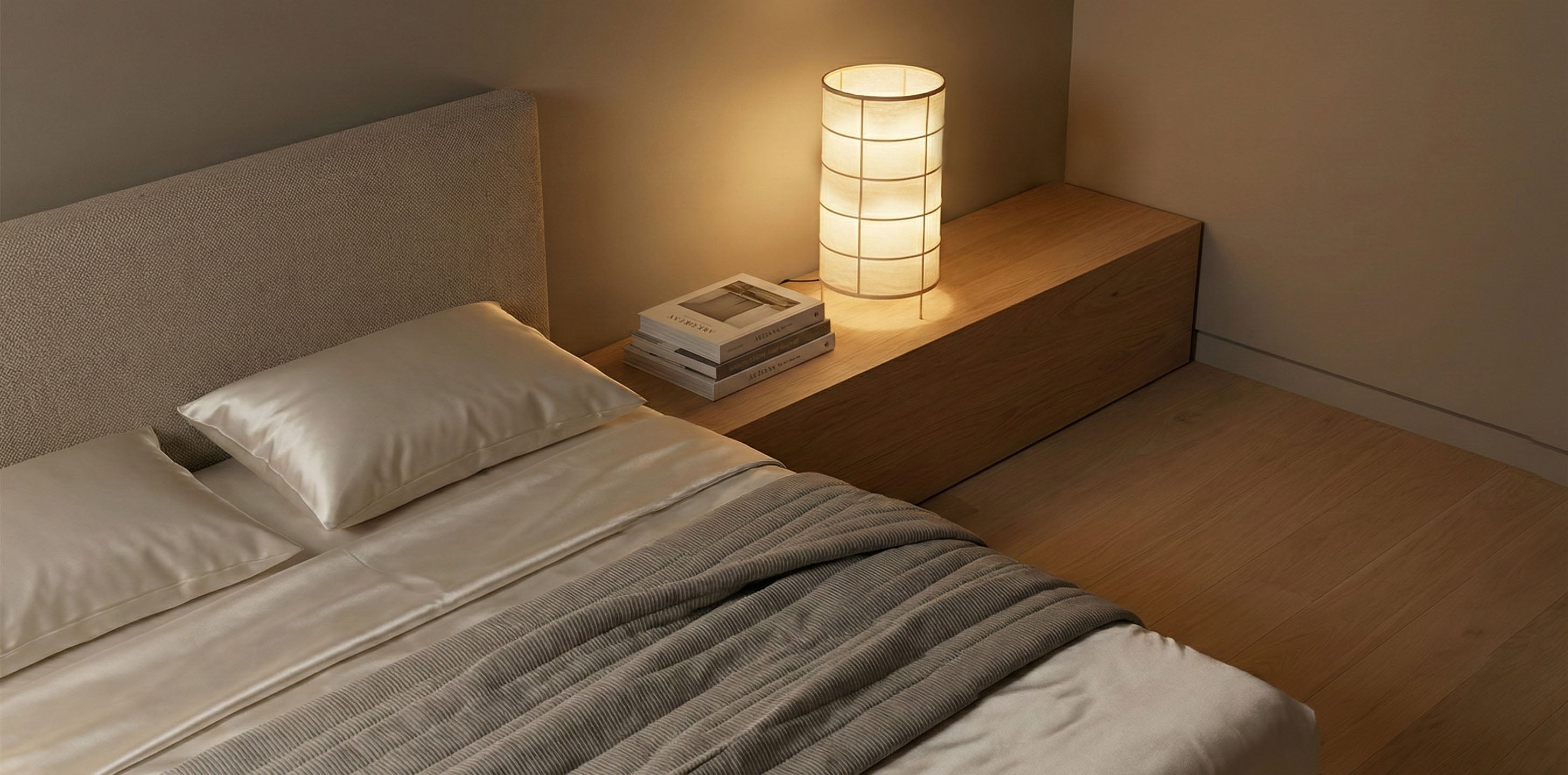
In the dim blue of evening, your body gently nudges you toward rest. As the sun dips, melatonin rises and your core temperature slips into a nightly lull. These are your body’s invitations to sleep, but today's world often drowns them out. To answer them, treat your bedroom like a cool, quiet sanctuary. Dark curtains or a softly glowing lamp.

A Restful Sanctuary
Your bedroom can feel like a gentle cocoon: soft sheets, muffled sounds, and a subtle comfort all around. Scientists note that a stable sleeping environment, where noise is hushed by heavy curtains or a white-noise machine, greatly eases falling asleep. If streetlights peek in, try blackout blinds or a sleeping mask.
Sleep experts even suggest using your bed only for sleep and intimacy, keeping screens and working out of the room. Over time, this tells the brain that the bed is sacred: for rest, not for email or to-do lists.

The Gentle Wind-Down
Each night, give yourself a quiet “wind-down” hour before bed. Gradually dim the lights and step away from screens: that blue glow from phones tricks your brain into thinking it’s daytime, suppressing melatonin.
Instead, try reading with a soft lamp, sipping warm caffeine-free tea, or listening to calm music.
A warm bath an hour before bedtime works wonders: it briefly raises body temperature, then as you cool off, it actually signals your body to sleep. Little rituals like gentle stretching or deep breathing can also help you shed the day’s tension, so you’re not carrying stress into bed.


Quieting the Mind’s Tides
When you lie down, notice the quiet in your body or the racing in your mind. Many of us fall into the trap of staying up for “just one more scroll” or episode, a tired rebellion against a hectic day. It feels satisfying at the moment, but it steals time from rest. If worries start spinning about tomorrow's tasks, try jotting them down instead. Studies show writing a quick to-do list before bed frees your mind and helps you sleep faster; letting some things wait until morning really is okay.

Beyond the Late-Night Hustle
Sleep isn’t a luxury, it’s as basic as a good meal for your body and mind. Yet too often we celebrate late-night “productivity” at the expense of rest. In truth, science shows that regular bedtimes are more important for health than squeezing in extra hours here and there. Try to keep your sleep schedule steady, even on weekends. Over weeks and months, a consistent routine actually feels more restorative than chaotic stretches of extra sleep. In other words, six hours of steady sleep can serve you better than an erratic eight hours.

Small, Soothing Rituals
Finally, embrace tiny comforts that gently coax sleep. Maybe it’s a few breaths of lavender aroma, a book in soft light, or a favorite eye mask. Perhaps a quiet fan hum, a cool mist humidifier, or the quiet rhythm of deep breaths can speak to your senses.
The point isn’t perfection, missing the ideal bedtime once in a while is okay. Invite rest with these quiet signals and trust that your body knows how to sleep. In doing so, you may find the hush before bed becoming the most peaceful part of your day.