Article: People Are Spending More Time Alone and Online
People Are Spending More Time Alone and Online
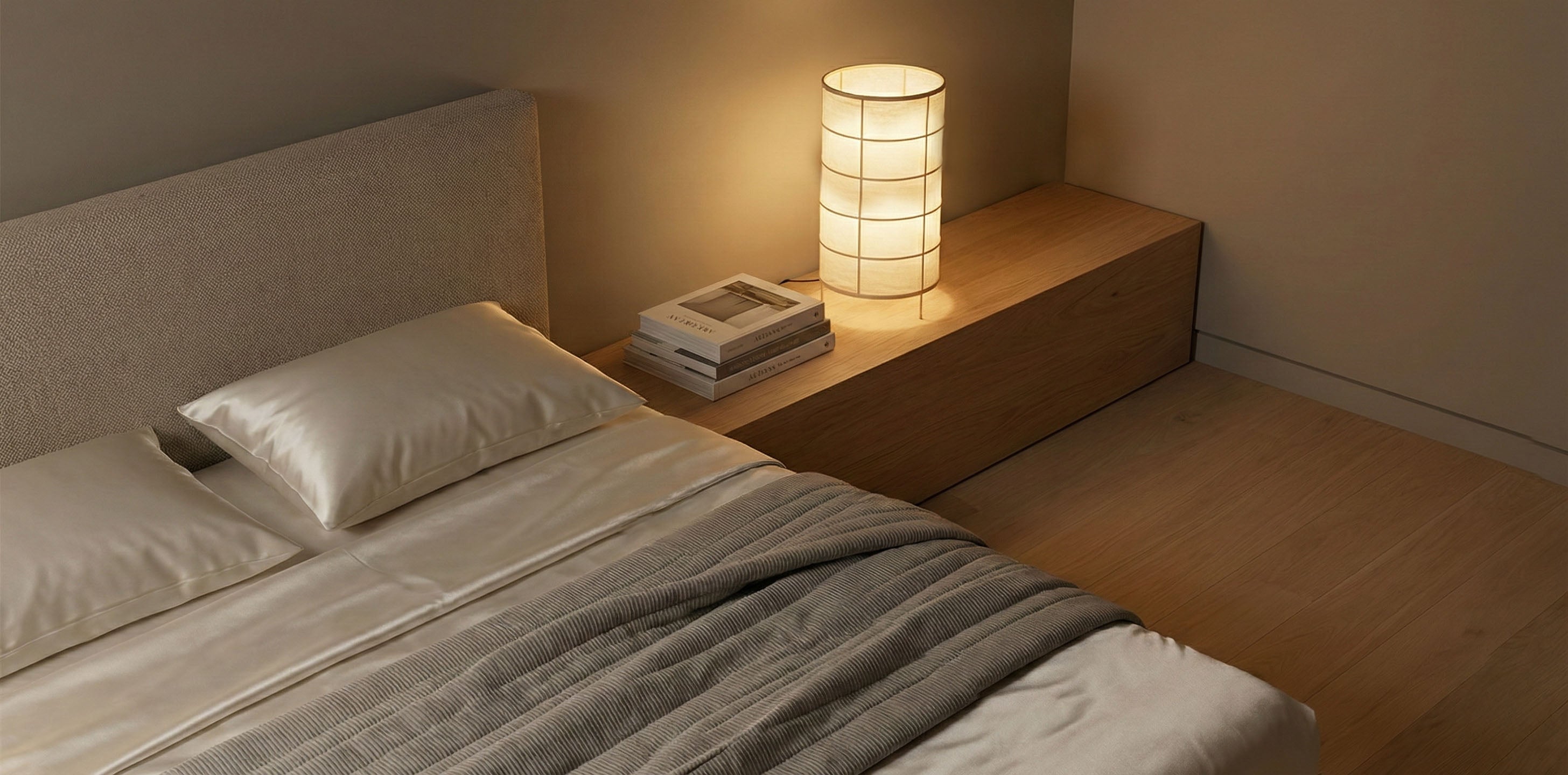
There is a particular quiet that settles over a home on a Friday night now. Not the quiet of loneliness, exactly, but something else, a chosen stillness. The glow of a screen illuminates a face in the living room. A meal arrives at the door, ordered with two taps. Outside, the world continues its rhythm, but inside, there is only the soft hum of contentment, alone. This is not a temporary shift. It is the new shape of life.
The pandemic years taught us something unexpected: that home could be enough. What began as necessity became habit, and habit became preference. Years later, the way people spend their time and money has fundamentally changed. The post-pandemic consumer is more self-focused, more digital, and more at peace with solitude than ever before.

More Free Time, Mostly Spent Solo
Time, that most precious currency, has shifted. Americans now have about three hours more free time per week than they did before the pandemic. One might assume this would mean more dinners with friends, more family gatherings, more evenings out. But nearly 90% of that additional time is spent alone.
Social activities, movies, concerts, dinners with loved ones, have not increased at all. They now occupy a smaller share of a larger leisure pie. Instead, people are channeling their extra hours into solitary pursuits: hobbies, personal leisure, shopping, fitness, scrolling. Reading, crafting, gaming, home workouts, the endless gentle drift of social media. These are the activities filling the quiet hours.
It is not that people have become hermits. It is that the definition of a full life has quietly expanded to include the pleasure of one's own company. A comprehensive study found that compared to pre-pandemic life, people spend nearly an hour less each day on out-of-home activities. That hour, reclaimed from commuting and social obligations, now belongs to the self.

Homebodies but Not by Choice
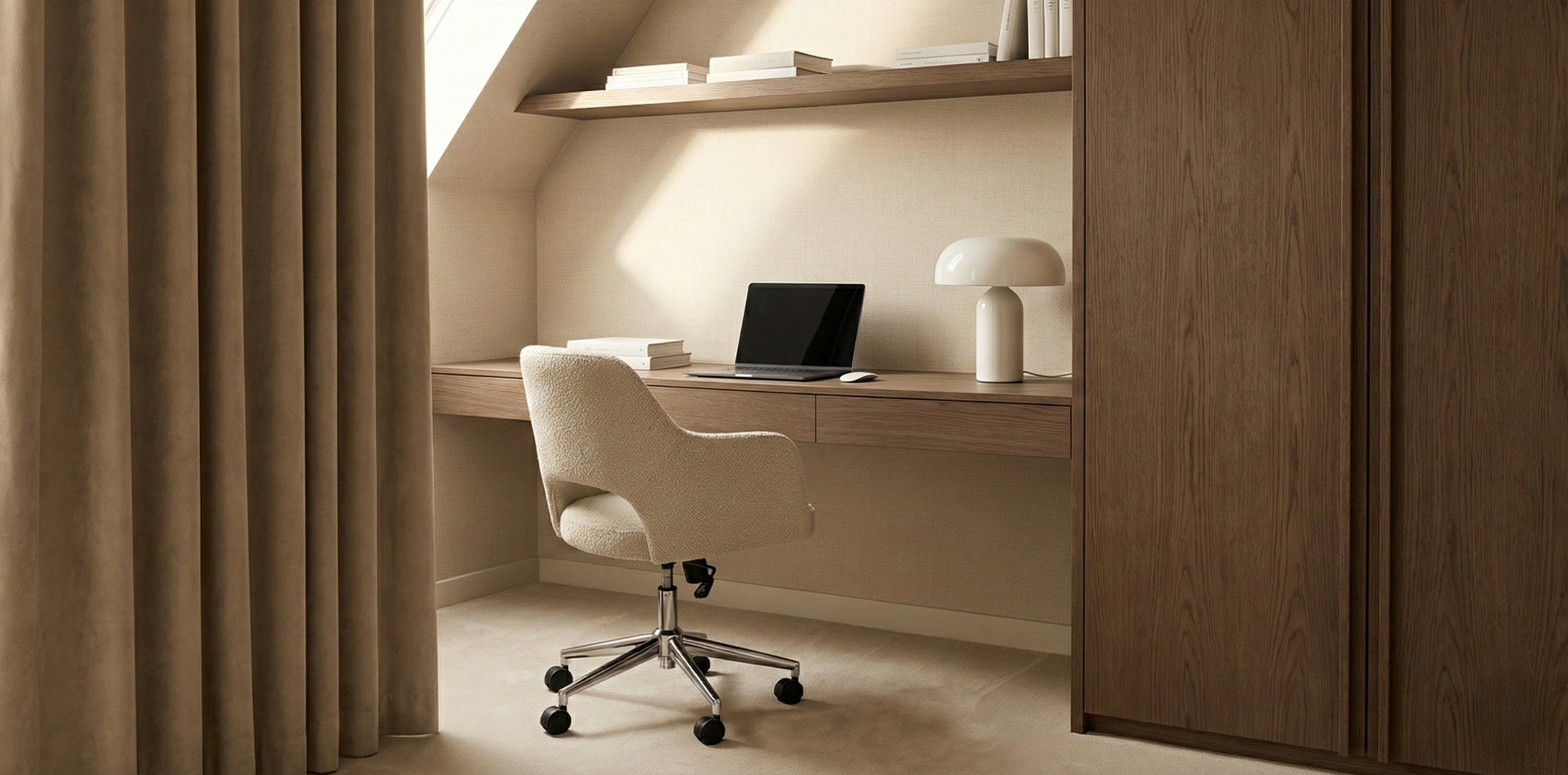
This shift toward solitude is not a rejection of others. It is a byproduct of new conveniences and norms. Remote work is the clearest example. By working from home, people saved time once spent commuting, on average, about two hours per week. That time, once lost to traffic and trains, now flows into personal activities. It is time that used to belong to the outside world, returned to oneself.
Digital tools have made it easier to stay connected without leaving home. Video calls, online gaming with friends, virtual events, all allow for social connection without physical presence. So while people are going out less, they do not necessarily feel more isolated. Staying home no longer means what it once did. The internet brings the world to the living room.
Cultural differences temper this trend. In China, consumers report spending more free time with friends and family than their American counterparts. They also devote more time to self-improvement and recreational shopping, activities often done alone but with a developmental angle. The "alone but not lonely" phenomenon is more pronounced in some places than others. But the general theme holds across borders: people have embraced a more home-centered lifestyle, supported by the quiet hum of digital connectivity.

E-Commerce and Delivery Boom
Another permanent shift is the deepening reliance on e-commerce and delivery services, the rise of what some call the convenience economy. When leaving home became complicated, people turned to online shopping and delivery apps for everything. Far from fading, these habits have only strengthened.
Online shopping is now nearly universal. Over ninety percent of consumers in the United States and China have made a purchase from an online-only retailer in the past month. Even in markets traditionally slower to adopt e-commerce, over eighty percent have done the same. The vast majority of shoppers have grown comfortable buying most things online, whether from global platforms or niche web stores.
Delivery has become woven into daily life. Nearly forty percent of consumers in the US, UK, and Germany used an online grocery delivery service in just the past week. Food delivery apps, once occasional conveniences, are now regular habits. More than a third of consumers across major economies now consider platforms like Amazon or China's Taobao their go-to destination for virtually all shopping needs.
This bring-it-to-me mindset extends beyond retail. Food delivery's share of total food service spending more than doubled between 2019 and 2024, rising from about nine percent to roughly twenty-one percent globally. In the Asia-Pacific region, delivery now accounts for nearly a quarter of all food service spending. A significant portion of money once spent in restaurants is now spent on having the meal brought to the door.
Why have these behaviors stuck? Convenience, once experienced, becomes the new standard. Same-day deliveries, endless product selection, groceries appearing without a trip to the store, these experiences raised expectations. Add to that the sheer habit formed over months of lockdown, and the result is permanent change. Even as stores reopened, many found they preferred the online ease. If it saves time or effort, why go back?

Fast, Easy, and Low Friction
If there is one thing today's solo, online-focused consumer will not tolerate, it is inconvenience. The collective experience of instant gratification has cultivated sky-high expectations. Tolerance for friction is at an all-time low and continues to drop. Expectations for speed, ease, and reliability only rise.
Speed has become the baseline. Two-day shipping, once a notable advantage, is now assumed. Many shoppers expect next-day or same-day delivery and feel genuine annoyance when it is unavailable. But it is not only speed. Consumers also expect low costs along with dependable service and hassle-free returns. Having been immersed in the convenience economy, people now expect every retailer, restaurant, and service provider to cater to their needs with minimal effort on their part.
These expectations are spreading to new areas. Online shoppers begin to expect the same instant service in other sectors such as booking healthcare appointments, purchasing cars, arranging home services. Digital options and quick turnaround are becoming baseline requirements across all of life. Why wait? has become a quiet mantra. If one brand does not meet the expectation, another is just a click away.
The Quiet Revolution
How we live has quietly shifted. More solitary, more digital, yet still connected. Even with society reopened, many now choose Friday nights at home, streaming, ordering in, browsing online, all in their own quiet company. Not because we love company less, but because technology has made home enough.
For businesses, the challenge is clear: engage an audience that is home-bound and convenience-driven. The opportunity is to meet them where they are, online or alone, yet eager for experiences that feel personal and effortless.
For the individual, this is simply the new rhythm. A rhythm that honors the sanctuary of home while staying gently linked to the world. And in that rhythm, there is peace. Not the peace of isolation, but the peace of knowing that solitude and connection can coexist, each in its proper place.